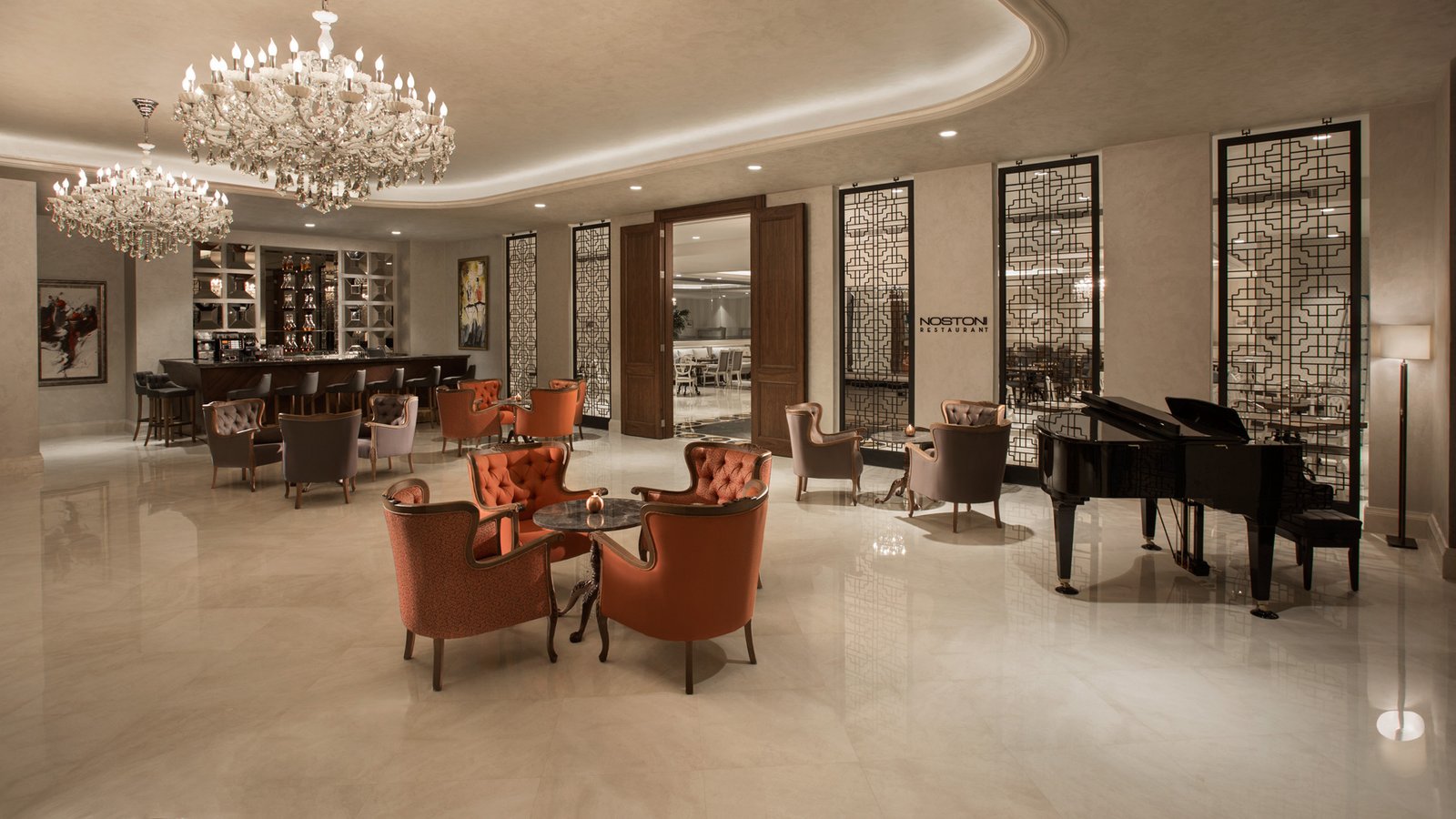
In the realm of professional interior design and architecture, few distinctions are as critical—and occasionally misunderstood—as the divide between residential and contract-grade furniture. For Architects, Interior Designers, Project Management Consultants (PMCs), and Hotel Owners, this is not merely a matter of semantics; it is a fundamental consideration of safety, longevity, liability, and return on investment.
While a residential sofa may appear visually identical to its commercial counterpart in a photograph, the underlying engineering and materials tell two vastly different stories. This article provides a scholarly examination of why purpose-built, contract-grade furnishings are an imperative specification for high-traffic commercial environments.
Defining the Core Distinction: Purpose and Scope
To understand the necessity of contract-grade specifications, we must first establish clear definitions based on intended use and industry standards.
Residential Furniture
Residential furniture is designed for the Business-to-Consumer (B2C) market. It is engineered based on assumptions of “normal” household usage—typically a family of four, sitting down for a few hours each evening. The primary focus is often aesthetic trends and immediate comfort at a lower price point. The construction is not meant to withstand continuous, rigorous abuse.
Contract-Grade (Commercial) Furniture
Contract furniture is designed for the Business-to-Business (B2B) market, specifically for installation in high-traffic public or semi-public spaces. Examples include hotels, corporate offices, airports, restaurants, and healthcare facilities. These pieces are engineered to withstand near-constant use by individuals of varying weights and behaviors, often 24 hours a day, 365 days a year.
The defining characteristic of contract furniture is its adherence to rigorous testing standards, most notably those established by ANSI/BIFMA (American National Standards Institute / Business and Institutional Furniture Manufacturers Association). These standards simulate years of intense abuse to ensure structural integrity and safety.
The Anatomy of Durability: A Technical Deep Dive
The divergence between residential and contract grade is most apparent when examining the technical specifications of construction and materials.
1. Structural Engineering and Framework
- Residential: Often utilizes stapled joints, lower-grade particle board, or thinner gauge metal. Frames are designed to support average residential weights occasionally.
- Contract-Grade: Employs superior joinery techniques such as mortise-and-tenon, double-dosing, and corner blocking, reinforced with high-grade screws and industrial adhesives. Metal components use heavy-gauge steel (often 16-gauge or thicker) with reinforced welds. Contract seating is frequently tested to support weights exceeding 300-500 lbs dynamically, far surpassing residential requirements.
2. Material Science: Upholstery and Foam
- Fabric Performance: Residential fabrics prioritize hand-feel and trend patterns. Contract fabrics are specified based on performance metrics, primarily the Wyzenbeek “Double Rub” test. While a residential fabric might survive 15,000 double rubs, contract standards generally demand a minimum of 30,000 to 50,000+, with high-traffic hospitality areas often requiring 100,000+. Furthermore, contract fabrics are treated for stain resistance (Crypton, etc.) and anti-microbial properties.
- Foam Density: Residential cushions often use lower density foam that compresses and loses shape (“bottoms out”) quickly under repeated use. Contract furniture utilizes high-resilience (HR), high-density polyurethane foams designed to retain loft and support over years of constant compression.
3. Regulatory Compliance and Safety Codes
Perhaps the most critical differentiator for PMCs and owners is legal compliance. Commercial spaces are subject to strict fire and safety codes that residential furniture rarely meets.
- Fire Safety: Contract furniture must adhere to stringent flammability standards, such as CAL 117 (California Technical Bulletin 117-2013) and often the more rigorous NFPA 260 or Boston Fire Code, depending on the jurisdiction and building type.
- Stability: Tip-over accidents are a major liability in commercial spaces. Contract case goods (dressers, desks) undergo rigorous stability testing to prevent tipping when drawers are opened, a crucial safety factor in hotels.
The Economic Argument: Lifecycle Costing vs. Initial Outlay
For Hotel Owners and PMCs, the sticker price of contract furniture is often higher than residential alternatives. However, procurement professionals understand that initial cost is a poor indicator of value in a commercial setting.
The concept of Lifecycle Costing is paramount. A residential chair placed in a hotel lobby might cost $400 but may need replacement within 12 to 18 months due to fabric failure or joint instability. A comparably styled contract-grade chair might cost $800 but is engineered to last 7 to 10 years in that same environment.
Over a 10-year period, the “cheaper” residential option could cost the facility upwards of $3,000 in replacements, procurement labor, and downtime, whereas the contract piece remains a singular, depreciable asset. Contract grade is an investment in operational continuity.
Conclusion: The Professional Imperative
For Architects and Interior Designers specifying for hospitality or commercial projects, choosing between residential and contract grade is not a matter of taste—it is a matter of professional responsibility. It is about ensuring that the aesthetic vision is supported by engineering capable of enduring the reality of the environment.
At Roop Exim, we understand that the intersection of beauty and durability is where exceptional commercial design lives. We specialize in manufacturing furniture that meets the rigorous demands of contract standards without compromising the sophisticated design language required by leading architects and hoteliers globally.
Source Furniture That Lasts. Get a specialized quote for durable, contract-grade pieces.
Discuss Your Project’s Durability Needs with a Roop Exim specialist.
WhatsApp Roop Exim on +91 8320 962 583